Water damage is one of the most common challenges in construction, leading to costly repairs and weakened structures. In humid climates with frequent rainfall, the risks are even greater. Membrane waterproofing offers an effective solution by creating a durable barrier against moisture. Widely applied in both residential and commercial projects, it safeguards walls, roofs, and foundations. Working with a reliable building materials supplier ensures access to quality products that provide lasting protection.
How Membrane Waterproofing Works
Membrane waterproofing involves applying a protective layer to surfaces such as concrete walls, basements, or rooftops. This barrier blocks water from seeping into cracks or joints, maintaining dry and stable structures. Two main systems are used: the sheet membranes, which are pre-formed and fixed onto surfaces, and liquid-applied membranes, which cure into seamless coatings.
Both systems are flexible enough to withstand minor structural movement and thermal changes without cracking. Compared to cementitious coatings or other traditional methods, membranes maintain performance over time, making them a preferred choice for long-term projects.
Advantages Over Other Methods
Durability is one of the biggest strengths of membrane waterproofing. These systems resist constant water contact, UV exposure, and temperature fluctuations, making them suitable for rooftops, basements, and retaining structures that face ongoing stress. Unlike basic coatings, membranes generally last longer before needing replacement.
Membranes are also versatile, as they can be applied to both horizontal and vertical surfaces, covering irregular shapes as well as large flat areas. Liquid systems provide seamless protection, while sheet membranes guarantee uniform thickness. This adaptability allows engineers to match the right system to specific site requirements.
Choosing the Right Building Materials Supplier
The quality of waterproofing depends heavily on the materials used. A reputable building materials supplier provides membranes that meet industry standards and suit different applications. Whether for new construction or repair, the right supplier ensures durability and consistency.
Many suppliers also offer technical guidance and training. This support reduces the risk of errors during installation, which can compromise performance. By working with trusted suppliers, contractors gain both reliable products and professional expertise that contribute to project success.
Installation and Maintenance Considerations
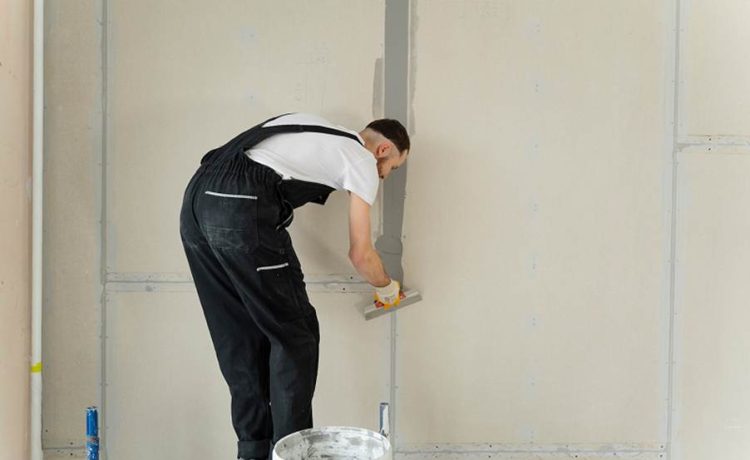
The effectiveness of membrane waterproofing depends not only on the materials but also on proper installation. Surfaces must be prepared thoroughly by cleaning, drying, and smoothing before membranes are applied. Poor preparation can result in weak adhesion and early system failure. Professional installation ensures membranes bond correctly and provide uninterrupted coverage.
Once installed, membranes require periodic inspections to confirm they remain intact. Checking for wear, punctures, or damage helps prevent small issues from developing into costly leaks. With routine monitoring and timely repairs, membrane systems can deliver consistent protection throughout the lifespan of a building.
Practical Applications of Membrane Waterproofing
Membrane waterproofing is applied in several critical areas of construction. On rooftops, it prevents leaks that could damage interiors. In basements and foundations, it blocks groundwater intrusion that can weaken concrete and encourage mould growth. In wet areas such as bathrooms, membranes act as protective linings to stop water seepage into walls and floors.
The method is equally crucial for infrastructure projects, as tunnels, bridges, and water tanks all rely on waterproofing systems to withstand constant exposure to water. Membrane systems provide the flexibility and durability needed for long-term stability in such demanding environments.
Long-Term Value
Membrane waterproofing offers long-term savings by reducing maintenance costs and extending the lifespan of buildings. When moisture is controlled, structures remain stable and require fewer repairs. For property owners, this translates into stronger asset protection and fewer unexpected expenses.
The system also improves indoor environments by preventing leaks and dampness, which reduces the risk of mould growth. Investing in waterproofing not only protects buildings but also promotes healthier living and working spaces.
Conclusion
Membrane waterproofing is a proven solution for protecting structures against moisture damage. Its durability, versatility, and wide range of applications make it a key part of modern construction. With the support of a trusted building materials supplier, contractors can select the right products and ensure effective installation.
Contact Ardex – Quicseal Singapore for membrane waterproofing solutions that deliver reliable, long-term protection.