






From Mudrooms to Built-Ins: What Custom Carpentry Can Do for Your Home That Stock Materials Can’t

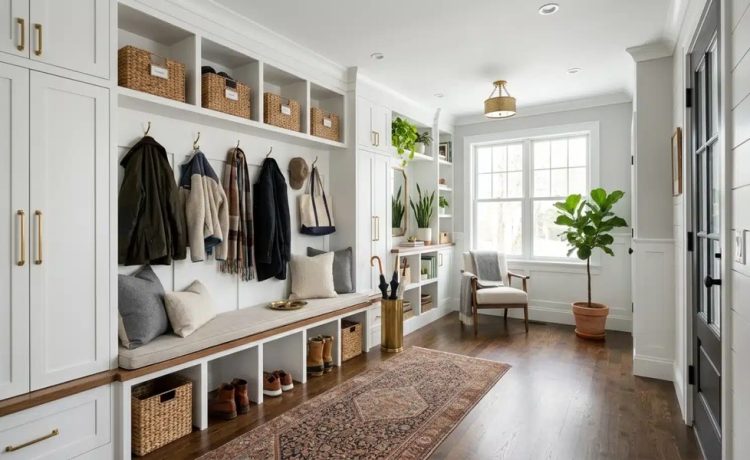
Custom carpentry helps you use your home better because it’s built to fit your exact walls, routines, and style. In a mudroom, you can separate shoes, coats, and bags, and provide charging spots so clutter stays under control. Built-ins turn awkward nooks, under-stair spaces, and tall walls into useful storage. You also get pull-outs, hidden compartments, and finishes that match your architecture. That kind of fit and cohesion can make every room work harder, and more ideas follow.
How Custom Carpentry Improves Fit and Function
When you choose custom carpentry, you get pieces built to match your home’s exact dimensions, so nothing feels forced or out of place. You can use every inch more efficiently because the design follows your wall lines, ceiling height, and traffic patterns. Smart space planning lets you add storage, shelving, or seating where stock pieces would waste gaps. You also control material sourcing, so you can select finishes, wood species, and hardware that meet your performance goals and aesthetic standards. That precision improves durability and makes daily use smoother. Doors open cleanly, drawers clear obstacles, and surfaces sit level. You end up with a tailored system that works with your layout, not against it, while supporting a cleaner, more modern home design.
Custom Mudroom Ideas for Everyday Clutter
You can make your mudroom work harder with smart storage zones that separate shoes, coats, bags, and daily gear. Built-in drop zones give you a dedicated spot for keys, mail, and charging devices, so clutter doesn’t spread through the house. When you match each storage area to a specific routine, you keep the space organized and easy to use every day.
Smart Storage Zones
Where does the daily clutter land first? In your mudroom, you can map smart storage zones that match how you move. Place micro shelves near the door for keys, earbuds, and mail you grab fast. Add hidden hooks behind a panel or under a bench edge for bags, scarves, and leashes without visual noise. Assign one section for each person, so you don’t stack everyone’s gear in one pile. Use labeled cubbies, ventilated compartments, and shallow trays to separate wet from dry items. Custom carpentry lets you tune heights, depths, and reach, so storage feels intuitive, not forced. When you design around actual routines, you cut search time, reduce mess, and make entryway clutter disappear into a system that works daily.
Drop-Zone Built-Ins
Drop-zone built-ins give everyday clutter a fixed landing spot, so coats, shoes, school bags, and groceries don’t spread through the house. You can tailor the layout with cubbies, bench seating, and concealed drawers that fit your routine. Add cargo hooks at varied heights for backpacks, umbrellas, and pet leashes, then pair them with labeled slots for mail and chargers. Smart drop zone ideas also include wipeable surfaces, hidden power outlets, and a shallow tray for keys and sunglasses. Choose durable finishes that resist scuffs and moisture, especially near entry doors. With custom carpentry, you turn a pass-through space into a precise command center that keeps departures faster, arrivals cleaner, and your home more organized every day.
Built-In Storage That Uses Every Inch
Built-in storage turns awkward nooks into useful space, giving every inch of your home a clear purpose. You can shape shelving, drawers, and panels to fit sloped ceilings, hallway recesses, and under-stair voids with precision. That means efficient organization without wasted gaps or awkward fillers. Your design can also hide clutter behind clean faces, keeping daily items close but out of sight.
- Tailor depths to match what you store.
- Use vertical runs to capture height.
- Add hidden compartments for valuables or chargers.
- Integrate pull-outs where access matters most.
With custom carpentry, you direct the layout around your routines, not the other way around. The result feels engineered, not improvised, and it works harder in less space.
Storage Features Stock Cabinets Can’t Match
Custom carpentry can do more than fill awkward spaces; it can add storage features that stock cabinets simply can’t offer. You can specify pull-out trays, hidden compartments, charging drawers, and vertical dividers that keep gear organized and easy to reach. Need a spice rack beside the oven or a slim broom cabinet in a tight hall? Custom work handles that without Subtopic drift. You also avoid Irrelevant pairing, where a standard cabinet forces the wrong size, depth, or function into your space. With tailored joinery, you get built-in solutions for cables, tall items, and specialty tools, so every inch works harder. The result is storage that supports how you live, not how a factory happened to build it.
Custom Carpentry That Matches Your Style
Custom carpentry lets you choose design details that reflect your taste, from trim profiles and wood species to hardware and finish. You can match built-ins, cabinets, and shelving to your home’s existing architecture so everything looks intentional. That way, your carpentry fits your style without standing out as an afterthought.
Personalized Design Details
How do you make carpentry feel like it truly belongs in your home? You specify personalized details that stock pieces can’t offer, from exact proportions to functional accents. Custom work lets you shape every surface with intent and control.
- Choose edge profiles that sharpen or soften visual lines.
- Set shelf depths to fit your actual storage needs.
- Add integrated pulls, grooves, or hidden access points.
- Select bespoke finishes that coordinate with your preferred sheen, tone, and texture.
These choices give you precise control over how each piece performs and feels. You’re not settling for generic dimensions; you’re directing craftsmanship toward your daily routines. That’s
how custom carpentry turns a practical object into a targeted design solution built around you.
Seamless Style Integration
When your carpentry matches the rest of the room, it feels built in rather than added on. You can use seamless style to align profiles, trim widths, sheen, and grain direction with existing architecture. Match cabinet doors to nearby millwork, echo ceiling lines, and repeat metal finishes so the eye reads one unified system. Strong integration tactics include sampling paint in natural and artificial light, mirroring hardware geometry, and carrying baseboard heights through new units. If your home mixes modern and traditional elements, you don’t need to force a single look; you can bridge styles with clean proportions and restrained detailing. That approach lets custom pieces look intentional, current, and engineered for how you live, not just fitted into open space.
How Custom Carpentry Can Raise Home Value
Thoughtful carpentry upgrades can increase your home’s value by improving both function and appearance in ways buyers notice right away. You’ll create a stronger first impression, and that can improve your revenue impact when it’s time to sell. Custom built-ins, fitted storage, and tailored trim signal quality and reduce the feeling of wasted space. They also boost ROI potential because buyers often pay more for solutions that feel integrated, modern, and durable.
- Built-ins maximize usable square footage.
- Precision millwork adds premium visual detail.
- Custom storage reduces clutter and enhances flow.
- Durable materials support long-term market appeal.
When you choose designs that solve real layout problems, you make the home feel smarter and more efficient. That kind of innovation stands out in competitive markets and helps justify a higher asking price.
How to Choose the Right Carpenter
Start by matching the carpenter’s experience to the scope of your project, whether you need built-ins, trim work, cabinetry, or structural repairs. You should review portfolios for crisp joinery, clean finishes, and inventive solutions that improve function without sacrificing style. Ask how they handle measurements, material selection, and coordination with other trades, because precision affects both durability and curb appeal. Verify licenses, insurance, and references, then compare bids line by line to keep project budgeting realistic. A strong carpenter will explain timelines, anticipate constraints, and offer options that balance performance with aesthetics. You’ll get the best results when the person listening also adapts quickly, communicates clearly, and treats your home like a custom system, not a generic job.
Frequently Asked Questions
How Long Does a Custom Carpentry Project Usually Take?
Custom carpentry usually takes anywhere from a few days to several weeks, depending on scope. You’ll spend less time on simple built-ins and more on complex projects with design changes, specialty materials, or finish work. Your home priorities and budget considerations shape the timeline, too, since custom details require planning, approvals, and fabrication. If you want innovative results, you should expect a brief consultation followed by measured production and installation phases.
What Permits Are Needed for Built-In Carpentry Work?
You’ll usually need a building permit if your built-ins affect framing, electrical, plumbing, or fire protection; simple cabinet installs often don’t. Your local permitting processes may also require plan review for structural concerns, especially with load-bearing walls or anchored shelving. You should check zoning and historic-district rules too. If you’re adding outlets, lighting, or modifying walls, bring drawings and get approval before work starts to avoid costly delays.
How Do You Maintain Custom Woodwork Over Time?
Custom woodwork is like a well-tuned instrument: you keep it sounding right with steady care and maintenance. Dust it weekly, wipe spills fast, and use a soft, damp cloth with mild cleaner. Check joints, hardware, and finish twice a year, tightening and resealing as needed. Control humidity to prevent warping, and avoid direct sun. You’ll protect the grain, preserve performance, and keep your custom pieces aging gracefully for decades.
Can Custom Carpentry Be Completed in Older Homes?
Yes, you can complete custom carpentry in older homes, and you’ll often gain the best fit. You’ll need to address custom carpentry challenges like uneven walls, hidden damage, and outdated framing. In historical renovations, you can match original profiles, upgrade storage, and preserve character while improving function. You should measure carefully, use adaptable joinery, and plan for site conditions so your finished work feels seamless, durable, and innovative.
What Wood Species Work Best for Humid Climates?
Cedar, teak, mahogany, and white oak work best in humid climates because you need hardiness species with strong moisture resistance. As the saying goes, an ounce of prevention is worth a pound of cure. You’ll get better performance if you seal every surface, keep joints tight, and choose engineered cores where possible. For innovative builds, you can also specify marine-grade finishes that help wood stay stable, clean, and durable.
Conclusion
When you choose custom carpentry, you get more than storage-you get solutions that fit your space, your routine, and your style. From mudrooms that tame daily clutter to built-ins that use every inch, custom work gives you features stock materials can’t match. Why settle for almost right when you can have exactly what you need? With the right carpenter, you’ll improve function, boost value, and create a home that works better every day.