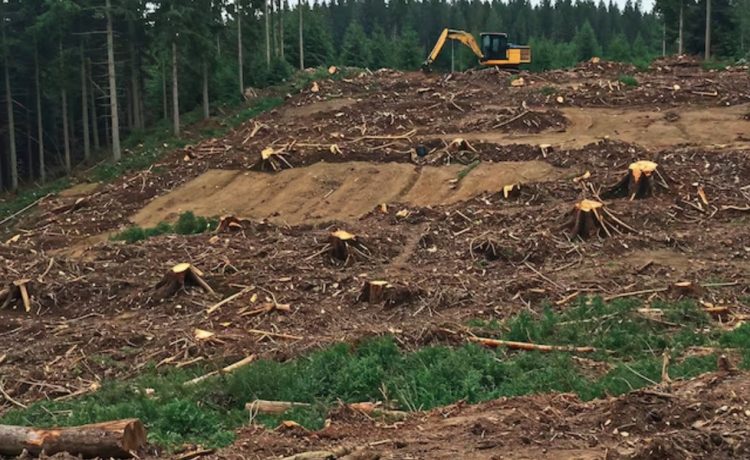
The success of any architectural or civil engineering project depends heavily on the preparation of the ground before the first brick is laid. While the design and planning phases are crucial, the physical transformation of the raw terrain is what truly sets the stage for a safe and efficient build.
This initial phase involves the removal of obstacles such as trees, boulders, and existing structures to create a blank canvas for development.
Understanding the multifaceted role of land clearing is vital for project managers and property owners who wish to avoid delays and ensure the structural integrity of their future buildings.
1. Establishing a Level and Stable Foundation
The most immediate benefit of professional site preparation is the creation of a level surface. Uneven terrain, hidden root systems, and varying soil densities can compromise the stability of a foundation over time.
Through systematic land clearing, contractors can identify underground hazards and address drainage issues before they become permanent problems.
By stripping away organic debris and leveling the earth, the construction team ensures that the weight of the new structure is distributed evenly, preventing future cracks or shifting in the foundation.
2. Enhancing Site Safety and Accessibility
A cluttered construction site is a hazardous one. Overgrown vegetation and large debris can hide holes, sharp objects, or unstable ground, posing a risk to workers and heavy machinery.
Effective land clearing opens up the site, providing clear lines of sight and safe pathways for the movement of equipment. When the terrain is cleared and organized, the risk of accidents is significantly reduced, and logistics become much easier to manage.
This increased accessibility allows for the timely delivery of materials and the efficient operation of cranes and excavators.
3. Facilitating Accurate Surveying and Planning
Before construction can begin, surveyors must mark the exact boundaries and elevations of the project. This task is nearly impossible to perform accurately in a dense forest or a debris-filled lot.
Comprehensive land clearing allows for precise measurements, ensuring that the building is positioned exactly according to the architectural blueprints.
Accuracy at this early stage prevents costly legal disputes regarding property lines and ensures that all utility connections, such as water and electricity lines, are installed in their correct locations.
4. Improving Long-Term Environmental Health
While it may seem counterintuitive, properly executed site preparation can benefit the local ecosystem. Professional contractors often identify and remove invasive plant species that could choke out native flora or damage the new landscaping.
Furthermore, the process of land clearing can involve the strategic preservation of high-value heritage trees, which are then integrated into the final design.
By managing the vegetation responsibly, developers can prevent the spread of plant diseases and pests that might otherwise thrive in neglected or overgrown areas.
5. Mitigating Fire and Pest Hazards
Dry brush and dead timber are significant fire hazards, especially in regions prone to seasonal heat. Removing this combustible material during the early stages of a project protects the investment and the surrounding neighborhood.
Additionally, thick undergrowth often serves as a breeding ground for rodents and wood-destroying insects like termites.
Thorough land clearing eliminates these nesting sites, protecting the new wooden structures from infestation and ensuring a cleaner, healthier environment for future occupants of the property.