


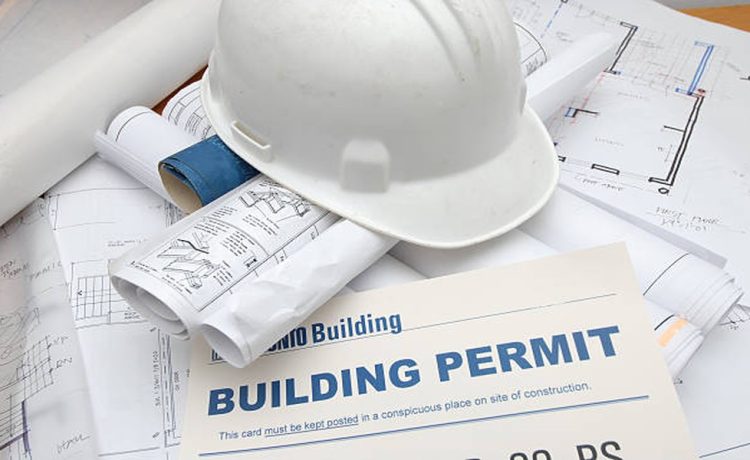
Building a pool in Florida is an exciting investment for homeowners, but it’s essential to understand the permitting process before breaking ground. Pool construction permits are required to ensure safety, compliance with local regulations, and adherence to building codes. Without the proper permits, homeowners risk fines, project delays, and potential legal complications.
Why Pool Permits Are Necessary
Obtaining a pool construction permit is not just a formality. Permits serve several important purposes:
- Safety Compliance: Permits ensure that your pool meets safety standards, including proper fencing, electrical wiring, and drainage systems.
- Legal Protection: A permit protects homeowners from potential disputes or liability issues if accidents occur.
- Property Value: Pools built without permits may cause issues when selling the property, as unpermitted structures can lower home value or require retroactive compliance.
The Pool Permit Application Process
The process for securing a pool permit in Florida typically involves several steps:
Step 1: Submit Plans
Homeowners or their pool contractors must submit detailed plans to the local building department. These plans often include pool dimensions, equipment layout, fencing, and pool deck design.
Step 2: Review by the Building Department
Once submitted, the building department reviews the plans for compliance with local zoning laws, building codes, and safety regulations. Any discrepancies or missing information may delay approval.
Step 3: Permit Approval
After approval, homeowners can proceed with construction. It’s important to keep the permit on-site during construction for inspections.
Step 4: Inspections
Florida law requires several inspections during the pool construction process, including electrical, plumbing, and final safety inspections. Passing these inspections is essential to close out the permit successfully.
Tips for Homeowners
- Hire Licensed Contractors: Using a licensed pool contractor can simplify the permitting process and ensure compliance with regulations.
- Plan Ahead: Start the permit application early, as approvals may take several weeks depending on the municipality.
- Understand Local Requirements: Each Florida county may have specific rules regarding fencing, setback distances, and environmental considerations.
Conclusion
Securing a pool construction permit in Florida is a crucial step for homeowners looking to build a safe and legally compliant pool. By understanding the requirements and following proper procedures, homeowners can enjoy their new pool with peace of mind, knowing that it meets all safety and legal standards.
This post was written by a professional at East Bay Pools. East Bay Pools is your trusted, family-owned pool contractor serving the Tampa Bay area with over 20 years of experience. As one of the best swimming pool contractors near me, we specialize in leak detection, crack and equipment repair, commercial pool cleaning, remodeling, Swimming Pool Resurfacing Largo FL, and new construction. Whether you’re looking for swimming pool installers near you or the best pool resurfacing near you, East Bay Pools delivers quality workmanship, fair pricing, and reliable service every time. Licensed and insured (CPC1460969), we make it easy to keep your pool beautiful, safe, and built to last.

Robert Jerry writes about home living, décor ideas, and lifestyle improvements. His focus is on creating comfortable, functional spaces that enhance everyday living experiences.