


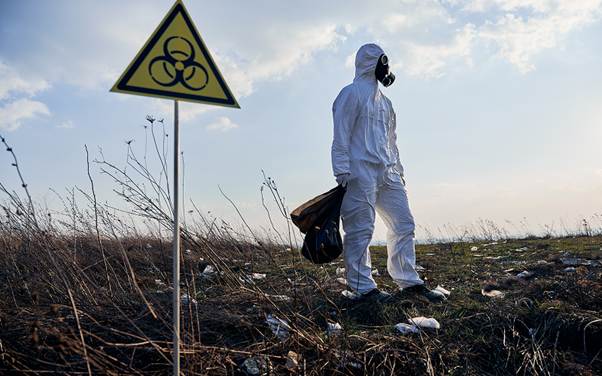
Handling hazardous waste correctly is vital, as it protects public health and the environment. Hazardous waste includes materials that are toxic, flammable, corrosive, reactive, or infectious, which can pose risks if not managed properly. Due to this, there are strict regulations for disposing of hazardous waste. This guide explores hazardous waste management in Singapore, providing key information for responsible work.
1. Defining Hazardous Waste in Singapore
In Singapore, hazardous waste is officially called “toxic industrial waste” (TIW), with the National Environment Agency (NEA) setting clear rules for sorting these wastes. TIW covers various materials from factories, shops, and other places, including used chemicals, old solvents, heavy metal sludge, asbestos, dirty soil, and electronic waste. Each type needs specific methods of handling and disposal.
Companies must correctly identify and label their waste, as mislabeling hazardous waste can lead to legal fines and environmental harm. Knowing the exact definitions and types of environmental laws is the first key step in effective hazardous waste management in Singapore. This correct sorting ensures the waste gets the proper treatment and disposal method.
2. Strict Regulations and Permitting
There are strict rules for hazardous waste disposal in Singapore. The Environmental Protection and Management Act controls how companies handle, store, move, and dispose of these materials. Businesses that create, move, or treat hazardous waste must get the proper licences and permits from the NEA.
These rules ensure only approved parties handle hazardous waste at every stage. They set requirements for those who produce waste, such as proper labelling, packing, and record-keeping. Treatment and disposal sites also need special permits and must meet high environmental standards. Following these laws is a must for anyone involved in hazardous waste management in Singapore.
3. Proper Storage and Segregation
Safe storage and correct separation of hazardous waste are critical. These actions prevent accidents and contamination. Waste creators must store TIW in secure, clearly labelled containers. Storage areas must be set aside, well-ventilated, and protected from rain or direct sun. They also need ways to contain spills.
When professional cleaning services separate wastes, they stop dangerous chemical reactions between incompatible types. Mixing hazardous materials can create toxic gases, fires, or blasts, which require industries to have clear methods to separate waste types. This careful approach to storage and separation is a basic part of responsible hazardous waste disposal in Singapore. It lowers risks at the source.
4. Licensed Transportation and Tracking
Moving hazardous waste in Singapore is tightly controlled. Only NEA-licensed waste collectors and transporters are allowed to move TIW. These movers must use specialised vehicles with safety features and spill kits for hazardous materials. They must also follow specific routes and times to lower public risk.
NEA tracks every movement of hazardous waste, which is achieved through a consignment note system. This “start-to-finish” tracking ensures accountability for the garbage. The note details the type of waste, amount, origin, transporter, and final place. This strict tracking system is key to ensuring hazardous waste management in Singapore is secure and transparent.
5. Approved Treatment and Disposal Facilities
All hazardous waste in Singapore must go to NEA-approved treatment and disposal sites. These sites utilise various methods based on the type of waste. Typical practices include burning, chemical treatment to make reactive waste safe, physical techniques to separate parts, and secure burial in landfills for leftover or untreatable waste. Singapore also uses its offshore Semakau Landfill for waste that cannot be burned.
These sites operate under strict environmental controls, where they must meet limits for air and water pollution. The NEA regularly checks and audits its operations, ensuring the final hazardous waste disposal in Singapore is done properly.
Conclusion
Proper hazardous waste management in Singapore is based on a clear understanding and strict following of rules. Every step is vital: from proper classification and safe storage to licensed transport and disposal at approved sites. Businesses that create or handle hazardous waste must prioritise following these rules, as this protects Singapore’s environment and public health. Hazardous waste disposal in Singapore is a shared duty, which helps create a safer, cleaner future for everyone.
Contact BELFOR Restoration Services for reliable and professional hazardous waste management in Singapore.