




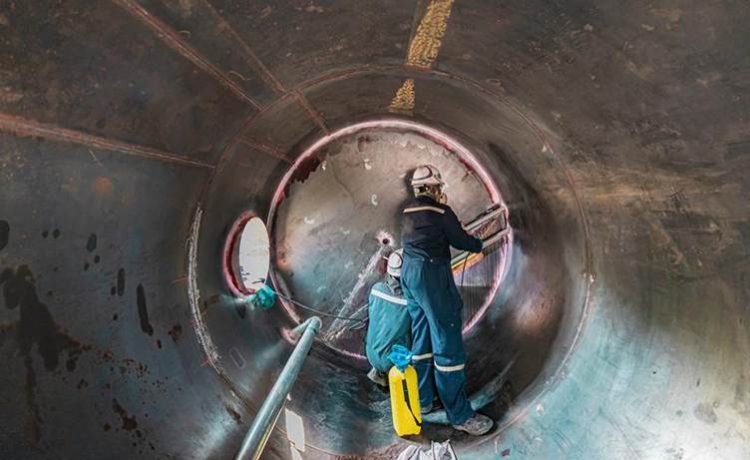
In tunnelling and underground construction, grouting plays a vital role in stabilising soil, sealing voids, and preventing water ingress. It ensures that tunnels remain structurally sound and safe throughout their lifespan. To achieve this, engineers rely on specialised grouting pumps and tools tailored to specific conditions and materials. Knowing the types of grouting in tunnel work helps professionals select the appropriate equipment and method for each project phase.
The Types of Grouting in Tunnel Construction
There are several types of grouting in tunnel projects, each serving a distinct purpose. Permeation grouting, for example, is used to fill voids and strengthen loose soil by injecting low-viscosity grout that permeates the ground. Jet grouting, on the other hand, uses high-pressure jets to mix and solidify soil in place, forming cemented columns that increase stability. Consolidation grouting reinforces the rock mass around a tunnel, while contact grouting seals gaps between the tunnel lining and surrounding ground to prevent water leakage.
Selecting the appropriate type of grouting depends on factors such as ground conditions, tunnel depth, and the intended structural performance. In soft ground tunnelling, engineers often combine multiple methods to ensure both strength and waterproofing. For example, chemical grouts might be used to seal fine cracks, while cement-based materials reinforce the surrounding soil. A clear understanding of these grouting techniques enables contractors to plan effectively and execute safe, efficient projects.
Key Grouting Pumps and Tools Used in Tunnel Work
The success of any grouting operation depends heavily on the selection of grouting pumps and tools. These include piston pumps, diaphragm pumps, and screw pumps, each designed to handle specific grout materials and pressure requirements. Piston pumps are ideal for high-pressure applications such as jet grouting, delivering consistent flow and power. Diaphragm pumps, meanwhile, are suitable for low-pressure grouting tasks, as delicate material handling is needed. Screw pumps are preferred for continuous, medium-pressure operations that demand steady output.
Other essential tools in tunnel grouting include injection nozzles, packers, and mixing units. Packers control the flow of grout into boreholes, ensuring precise injection and minimising waste. High-performance mixing units prepare grout to the required viscosity, allowing for uniform application. Systems offered by companies like Adcos Asia integrate advanced monitoring technology, enabling engineers to control pressure, flow rate, and volume in real time. This precision reduces errors and improves the overall efficiency of tunnelling projects.
The Role of Equipment in Quality and Safety
High-quality grouting pumps and tools not only enhance efficiency but also improve safety standards in tunnelling operations. Poorly maintained or mismatched equipment can lead to grout leakage, uneven pressure distribution, or incomplete sealing, which pose risks to structural stability. Reliable equipment ensures that grout is applied consistently and at the proper pressure, reducing the likelihood of costly repairs or downtime.
Safety also depends on proper equipment calibration and operator training. Technicians must regularly inspect hoses, seals, and valves to prevent malfunction during grouting. By combining durable tools with skilled operation, teams can maintain consistent performance even under challenging underground conditions. Professional suppliers such as Adcos Asia provide guidance on equipment selection and maintenance to help contractors meet both technical and safety standards.
Maintaining and Calibrating Grouting Equipment
Regular maintenance of grouting pumps and tools is critical to ensuring their longevity and accuracy. Frequent cleaning prevents hardened grout from clogging pumps or hoses, which could affect flow rate and pressure. Engineers should follow manufacturer guidelines for lubrication, filter changes, and component replacement to keep the system in optimal condition. Well-maintained tools not only perform better but also extend service life, saving costs in the long run.
Calibration plays an equally important role. Technicians must verify pressure gauges, flow meters, and automated controls to ensure accurate grout delivery. Small deviations can result in underfilling or over-pressurising the ground, leading to uneven tunnel support. Establishing a routine inspection schedule and keeping detailed maintenance logs helps teams ensure that grouting operations remain consistent and reliable throughout the project.
Conclusion
A thorough understanding of types of grouting in tunnel work and the proper use of grouting pumps and tools is essential for safe and efficient tunnelling projects. From selecting the proper grouting method to maintaining precision equipment, every step influences the stability and durability of underground structures. Working with trusted suppliers ensures access to reliable products, expert advice, and long-term support, which helps engineers complete projects safely and efficiently.
Build safer and stronger tunnels with advanced grouting pumps and tools. Contact Adcos Asia today for expert guidance and reliable equipment solutions.