Owning a home comes with small fixes. A loose cabinet handle. A picture frame that needs hanging. A dripping faucet. A squeaky door. Maybe a chair leg starts wobbling right before guests arrive. These things happen, and you do not always need to call someone for every simple repair.
That is why every homeowner should have a basic tool kit. It does not need to be fancy or expensive. You just need the right tools to handle common jobs safely and quickly. A good starter kit can save time, prevent stress, and help you feel more prepared around the house.
Hammer
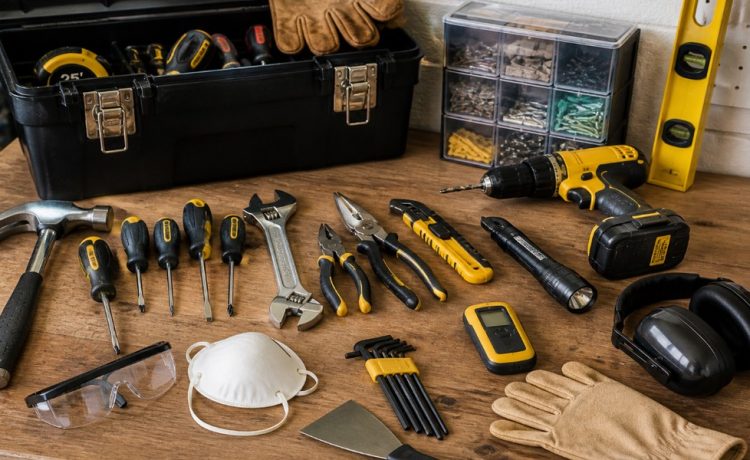
A hammer is one of the most basic tools every homeowner should own. You can use it to hang pictures, assemble furniture, remove small nails, or make light repairs.
A standard claw hammer is usually enough for most homes. The flat side drives nails in, while the claw side pulls nails out. Choose one that feels comfortable in your hand. It should feel solid, but not too heavy.
Screwdriver Set
Loose screws are common in every home. Cabinet handles, door hinges, outlet covers, furniture, and appliances may all need tightening at some point.
A basic screwdriver set should include both flathead and Phillips screwdrivers in different sizes. A multi-bit screwdriver is also a good option because it gives you several tips in one tool.
This is one of those tools you will probably use more often than you expect.
Tape Measure
A tape measure is needed for many small home tasks. You use it before buying furniture, hanging curtains, placing shelves, measuring windows, or checking if an appliance will fit.
A 25-foot tape measure is a good size for most homeowners. It is long enough for room measurements but still easy to store in a drawer or toolbox.
Measure twice before drilling, cutting, or buying anything. It sounds simple, but it can save you from mistakes.
Adjustable Wrench
An adjustable wrench is useful because it can fit different nut and bolt sizes. You can use it for plumbing connections, furniture assembly, bike repairs, and small mechanical jobs around the house.
Instead of buying many different wrench sizes right away, start with one good adjustable wrench. Later, you can add a full wrench set if you need it.
Pliers
Pliers help you grip, bend, twist, pull, and hold small items. They are useful for repairs where your fingers cannot get a strong enough grip.
A basic homeowner tool kit should include:
- Slip-joint pliers
- Needle-nose pliers
- Locking pliers
Slip-joint pliers are good for general use. Needle-nose pliers help in tight spaces. Locking pliers can clamp onto something and hold it firmly.
Utility Knife
A utility knife is helpful for opening boxes, cutting packaging, trimming carpet edges, scoring drywall, and many other small tasks.
Choose one with a retractable blade for safety. Keep extra blades nearby because a dull blade can be more dangerous than a sharp one. A sharp blade cuts cleaner and requires less force.
Always cut away from your body and close the blade when you are done.
Level
A level helps you make sure things are straight. It is useful for hanging shelves, picture frames, mirrors, curtain rods, and wall-mounted decor.
A small 9-inch level works for many jobs, but a longer level is better for shelves and larger projects. Some homeowners also use a laser level, but a basic bubble level is enough when starting out.
Nobody wants a crooked shelf, so this tool is worth having.
Cordless Drill
A cordless drill makes home tasks much easier. You can use it to drill holes, install screws, assemble furniture, hang shelves, mount brackets, and complete small repair projects.
A basic cordless drill with a set of drill bits and driver bits is enough for most homeowners. You do not need the most powerful model for simple home use.
Make sure to charge the battery after using it, so it is ready when you need it.
Flashlight or Work Light
A flashlight is important for power outages, dark corners, attic spaces, crawl spaces, and under-sink repairs. Your phone flashlight can help in a pinch, but a real flashlight is better for home repair work.
A small work light is even more useful when you need both hands free. Some lights have hooks, magnets, or stands, which makes them easier to position.
Keep extra batteries in your tool kit, or choose a rechargeable model.
Stud Finder
If you plan to hang heavy shelves, mirrors, televisions, or cabinets, a stud finder is very helpful. It helps you locate wall studs behind drywall.
Wall studs provide stronger support than drywall alone. Hanging heavy items without finding a stud can lead to damage or falling objects.
A simple stud finder is easy to use and can prevent costly mistakes.
Allen Wrench Set
Many furniture pieces, cabinet handles, exercise equipment, and small fixtures use Allen screws. These require Allen wrenches, also called hex keys.
A basic Allen wrench set is small, affordable, and easy to store. It can save you frustration when assembling or tightening furniture.
Putty Knife
A putty knife is useful for patching small holes, scraping old paint, applying spackle, removing stickers, and cleaning flat surfaces.
A flexible putty knife works well for applying patching compound. A stiffer one works better for scraping. For a starter kit, one medium-size putty knife is usually fine.
Safety Gear
Tools are helpful, but safety matters too. Every homeowner should keep basic safety gear with their tools.
Useful safety items include:
- Safety glasses
- Work gloves
- Dust mask
- Ear protection
- Knee pads
Even small projects can create dust, sharp edges, or flying debris. Safety gear helps protect you while you work.
Basic Hardware Supplies
Along with tools, keep a small supply of common hardware. This saves you from making a store trip for one screw or nail.
Good items to keep include:
- Assorted screws
- Nails
- Wall anchors
- Picture hangers
- Zip ties
- Painter’s tape
- Electrical tape
- Duct tape
- Sandpaper
Store these items in a small organizer so you can find them quickly.
Toolbox or Storage Bag
Once you have tools, you need a place to keep them. A toolbox, tool bag, or storage bin keeps everything organized and easy to carry.
Without storage, tools end up scattered in drawers, closets, and garages. Then when something breaks, you waste time looking for the right item.
A simple toolbox is enough for beginners. As your collection grows, you can upgrade later.
Final Thoughts
Every homeowner should have a basic set of tools for simple repairs and everyday tasks. A hammer, screwdrivers, tape measure, wrench, pliers, utility knife, level, drill, flashlight, and safety gear can handle many common home needs.
You do not have to buy everything at once. Start with the tools you are most likely to use. Then add more as new projects come up.
A good tool kit gives you confidence. It helps you fix small problems before they become bigger ones. And honestly, it feels good to handle simple home repairs on your own.
This post was written by a professional at Anawalt Lumber. Anawalt Lumber is a family-owned lumber yard and hardware store Los Angeles for over a century. Known for quality lumber, contractor supplies, hardware, and a full-service nursery, Anawalt provides personalized service for homeowners and licensed contractors. From job pricing and bulk discounts to special-order materials with fast delivery, Anawalt is your trusted local building supply partner in Malibu, West LA, and Hollywood.