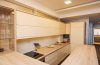
There’s a reason that “Japandi” is all the rage at the moment. It combines the tranquillity of Japanese design with the cosiness of Scandinavian style. Throw Bali in the mix and that magic is unlocked.
Japanese minimalism is clean and exact. The interiors of Bali are earthy and texturally rich. Together, they create balance. Sharp lines meet reclaimed wood. Open space meets handcrafted detail. The result is deliciously grounding, natural, and deeply inviting.
For Interior Design enthusiasts hunting the next shining aesthetic, this fusion is a match made in heaven.
Understanding the Japandi Foundation
First you need a good foundation before you can add Bali textures. Japanese minimalism is based on three simple principles:
- Less clutter
- Natural materials
- Soft, neutral tones
Think low-slung sofas, sharply lined tables, and open space. Every piece must have purpose. Nothing extra. Nothing loud.
Select muted colours including off-white, soft grey, warm beige, and light timber finishes. The mood should be calm and uncluttered.
Here is where the term handmade timber furniture in Melbourne comes into picture. A simple bed frame or solid timber dining table acts as a silent centrepiece. Clean shapes. No fuss. Natural grain exposed.
Layering in Bali Textures
Now comes the magic. Bali style brings warmth and character but not in an overwhelming way.
Bali interiors are known for:
- Carved wood details
- Rattan and cane
- Natural fabrics such as linen and cotton
- Raw, imperfect finishes
The key is restraint. Do not crowd the room. Introduce texture in small, purposeful ways.
A woven rattan chair next to a minimal desk. A hewn wooden stool in the corner. A textured throw on a low Japandi sofa.
Brands such as Asia & Beyond capture this balance delicately. It is not about flash; the focus is always on craftsmanship and natural materials.
If you source locally, consider Bali furniture Melbourne that has a focus on its handmade elements. The best part is the slight imperfections. That’s what makes the room sing.
Finding the Perfect Balance
It can be overdone one way or another. Here’s how to keep it in balance:
1. Start with Structure
Stick to a clean, minimal look for your larger pieces. Upholstered furniture such as bed frames, sofas, and dining tables should take Japanese style shapes.
2. Add Texture Through Accents
Introduce Bali with side tables, lighting, mirrors, or woven decor. This maintains a layered but calm look.
3. Stick to a Natural Palette
Avoid bright colours. Highlights of timber, stone, and woven fibres. So are warm neutrals, which unite both styles nicely.
For your handmade timber furniture Melbourne shopping, look out for simple silhouettes in oak wood, teak, or reclaimed wood. And then merge with softer, artisanal hints in Bali furniture in Melbourne collections.
Lighting is More Important Than You Realize
Lighting can make or break with this style. Japandi prefers soft, diffused light. Bali loves warm, golden tones.
Choose:
- Paper or linen pendant shades
- Rattan lamps
- Soft LED lighting
Avoid harsh white lights. The aspiration is cosy calm, not showroom bright.
Why Does This Fusion Work So Well?
Japanese minimalism clears the clutter. Bali textures add heart. One creates peace. The other adds warmth.
They collaborated on a space that reads as serene but not too pristine. Minimal yet welcoming. Structured yet organic.
For those passionate about Interior Design, this blend is contemporary living they are designed for – so this speaks. People are seeking homes with a simple, but not sterile, feel. Stylish but still human.
Just clean lines can seem cold. Texture alone can feel busy. But they produce wonder when paired with intention and encouragement.
And that is the real beauty of blending Japanese minimalism with Bali textures − it’s not about trends. It is about balance.