

Key Takeaways
Professional fencing can significantly improve a property’s curb appeal, creating a stronger first impression while defining boundaries and adding character to outdoor spaces.
Different fencing styles and materials can accommodate various architectural designs, allowing homeowners to balance aesthetics, privacy, security, and durability.
Security fencing can improve peace of mind by creating a physical barrier around a property. Features such as locking gates, taller panels, and durable materials can provide additional protection.
Eco-friendly materials such as bamboo, composite wood, and recycled steel give homeowners sustainable alternatives without sacrificing appearance or durability.
Modern fencing solutions allow property owners to achieve an attractive outdoor space while selecting materials designed to withstand weather, daily use, and environmental conditions.
Client experiences show that well-planned fencing projects can transform outdoor areas, improve functionality, and increase satisfaction with a property’s overall appearance.
Professional installation typically includes consultation, design, permits, installation, inspection, and post-installation support, giving clients a clear path from concept to completion.
How Fencing Services Enhance Property Value
Delivering Curb Appeal Without Compromise
In real estate, first impressions matter. A well-designed fence does more than define property boundaries; it can become a prominent feature that enhances the appearance of an entire home. Curb appeal plays an important role in how homeowners and prospective buyers perceive a property, and an attractive fence can add character while creating a polished exterior.
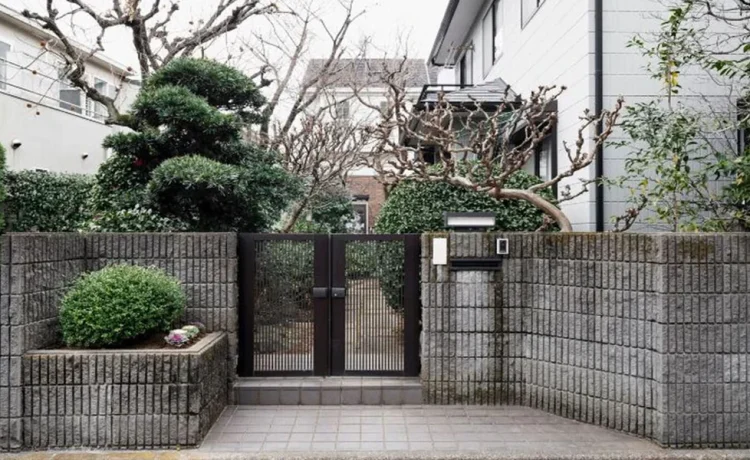
Different fencing styles create different visual impressions. A traditional picket fence can provide a classic appearance, while sleek metal fencing can give a property a contemporary feel. Wood, vinyl, aluminum, and composite materials can also be selected to complement the architecture and landscaping.
Professional planning is essential because the fence should look like a natural extension of the property rather than an afterthought. Homeowners researching options can see their fencing services to understand how different designs can transform outdoor spaces.
Color, height, texture, and decorative details can further influence the overall appearance. When these elements are carefully coordinated with the home’s exterior, fencing can contribute to a more attractive and cohesive property.
Upgrading Safety Features: Clients’ First Choice
Homeowners also consider security when choosing fencing. A properly designed security fence creates a physical boundary that can discourage unauthorized access while giving residents greater peace of mind.
Features such as locking gates, taller panels, and reinforced construction can provide additional protection. Different materials offer different advantages depending on the property’s requirements.
- Chain-link fences: Affordable, practical, and capable of maintaining visibility.
- Vinyl fences: Durable, versatile, and available in privacy-focused designs.
- Wrought-iron fences: Strong, visually appealing, and suitable for properties requiring a more substantial barrier.
Security fencing can therefore serve two purposes: protecting the property and improving its overall appearance. For many homeowners, that combination makes professional fencing a worthwhile investment.
Innovative Fence Materials and Their Unique Benefits
Exploring Eco-Friendly Options for Modern Spaces
Environmental considerations are increasingly influencing home improvement decisions. Homeowners who want to reduce their environmental impact can choose fencing materials that combine sustainability with practical performance.
Eco-friendly fencing materials include bamboo, composite wood, and recycled materials. Bamboo is renewable and can provide a distinctive natural appearance, while composite materials can offer the look of traditional wood with reduced maintenance requirements.
- Bamboo: Renewable, attractive, and suitable for natural-looking outdoor spaces.
- Composite materials: Resistant to rot and fading while requiring relatively little maintenance.
- Recycled steel: Durable and contemporary while making use of recycled resources.
These materials demonstrate that environmentally conscious choices do not have to compromise aesthetics. With the right design, sustainable fencing can become an attractive feature that complements landscaping and outdoor living areas.
Durability vs. Aesthetics: Finding the Perfect Balance
Homeowners often want fencing that looks attractive while standing up to weather and everyday use. Fortunately, modern fencing materials provide numerous ways to achieve both objectives.
Decorative vinyl can provide an elegant appearance with relatively low maintenance. Aluminum offers a lightweight yet durable alternative, while quality wood can provide warmth and natural character when properly maintained.
The key is selecting a material based on the property’s environment, maintenance expectations, budget, and desired appearance.
“It’s entirely feasible to combine beauty and brawn in fencing.”
Investing in quality materials can also reduce the likelihood of frequent repairs or premature replacement. A well-selected fence therefore contributes to both the visual appeal and long-term functionality of an outdoor space.
Client Experiences That Showcase Transformations
Real-Life Case Studies: Impact on Home Aesthetics
Fencing projects can produce noticeable changes in how homeowners use and experience their outdoor spaces. Consider a suburban homeowner who chooses a custom wooden fence with horizontal slats. The design can provide privacy while creating a contemporary backdrop for landscaping and outdoor activities.
Another homeowner might select a sleek metal fence to complement a modern property. Combined with thoughtful landscaping and an attractive entrance gate, the fence can transform an ordinary backyard or front entrance into a more inviting space.
These improvements can produce several benefits:
- Improved appearance: A coordinated fence can strengthen the property’s overall visual appeal.
- Greater privacy: Solid panels can make outdoor areas more comfortable for residents.
- Better functionality: Clearly defined spaces can make yards easier to organize and use.
- Enhanced first impressions: Attractive fencing can contribute to a more polished property exterior.
The right fencing solution can therefore transform more than a property’s boundaries. It can influence how residents use their outdoor areas and how visitors perceive the home.
Testimonials: Voices of Satisfied Customers
Client feedback often highlights the practical and visual improvements that follow a successful fencing project.
“Our new fence has completely transformed not only our outdoor space but also our lives. We feel secure and proud of our property.” – A satisfied homeowner
Positive experiences commonly involve improvements in privacy, security, appearance, and outdoor usability. When homeowners are satisfied with the result, they may also be more likely to recommend the contractor to friends and family.
- Increased satisfaction: Homeowners appreciate spaces that better reflect their needs and preferences.
- Referrals: Successful projects can encourage clients to recommend professional fencing services.
- Community impact: Attractive fencing can contribute to a more cohesive neighborhood appearance.
Ultimately, client experiences demonstrate how thoughtful fencing decisions can create meaningful improvements in both property functionality and lifestyle.
Understanding the Installation Process: What to Expect
Step-by-Step Breakdown of a Successful Project
Understanding the installation process helps homeowners know what to expect before work begins. Professional fencing projects generally follow several stages to ensure the finished structure meets the property’s needs.
- Consultation: The project begins with an assessment of the property, the client’s goals, and preferred fencing styles.
- Design: The contractor develops a design based on the property’s layout, desired appearance, privacy requirements, and security needs.
- Permits: Depending on local requirements, necessary permits and approvals are obtained before construction.
- Installation: Professionals prepare the area, set posts, install panels or rails, and complete gates and other features.
- Final walkthrough: The completed fence is inspected with the client to confirm that the work meets expectations.
A structured process reduces uncertainty and gives homeowners opportunities to address questions before the project is completed.
Post-Installation Support: Ensuring Long-Term Satisfaction
A quality fencing project should not end immediately after installation. Proper maintenance and post-installation support can help preserve the fence’s appearance and performance for years.
Homeowners can benefit from:
- Cost-effective maintenance tips: Simple cleaning and upkeep can extend the life of the fence.
- Regular inspections: Checking posts, panels, gates, and hardware can help identify issues early.
- Repair services: Prompt repairs can prevent minor problems from becoming larger and more expensive.
Long-term support gives clients greater confidence in their investment. When professional installation is combined with proper maintenance, fencing can remain an attractive and functional part of a property for many years.
FAQ
What types of fencing materials are considered best for durability?
Vinyl, aluminum, wrought iron, and composite materials are commonly selected for durability. The best option depends on the property’s climate, maintenance expectations, budget, and desired appearance.
How do different fence styles affect property insurance rates?
Insurance providers may consider security features when evaluating property risks, but the effect of a fence on insurance premiums varies by insurer and policy. Homeowners should speak directly with their insurance provider before assuming a specific savings.
Can fencing increase privacy in outdoor spaces?
Absolutely. Tall fences and solid panels can reduce visibility from neighboring properties and create more private outdoor areas. Wood, vinyl, and composite fencing are popular choices for privacy-focused designs.
What maintenance do eco-friendly fencing materials require?
Maintenance depends on the material. Bamboo may require periodic treatment, while composite materials generally need routine cleaning and inspection. Following the manufacturer’s maintenance recommendations is the best way to preserve performance.
How long can homeowners expect their new fence to last?
Lifespan varies significantly by material, installation quality, climate, and maintenance. Vinyl and metal fencing can provide long-term service, while wood typically requires more regular maintenance to maximize its lifespan.
Are there any seasonal considerations for fencing installations?
Weather and ground conditions can affect installation schedules. Spring and early summer are popular periods for fencing projects, although professional contractors may install fences throughout much of the year depending on local conditions.
How does the local community impact fencing choices?
Neighborhood architecture, local regulations, and community preferences can influence fencing decisions. Selecting a style that complements surrounding properties can help create a cohesive appearance while still meeting individual privacy and security needs.
What are the benefits of using professionals for fence installation?
Professional installation can improve accuracy, structural stability, and overall appearance. Experienced contractors can also help homeowners select appropriate materials, understand local requirements, and avoid common installation problems.
Useful Resources
- HomeAdvisor – Offers insights on hiring contractors and reviews in the home improvement sector.
- Houzz – An online venue for home remodeling and design, showcasing numerous ideas and professional listings.
- Better Homes & Gardens – Provides articles and inspiration on home & garden projects, including fencing options.
- Indeed – Supplies career advice and resources for those interested in pursuing a profession in fencing installation.
- Wood Magazine – Delivers expert advice, tips, and techniques for working with wood, encompassing eco-friendly options.
- Green Home Guide – A guide for sustainable building practices and eco-friendly materials, including fencing choices.
- The Fence Authority – A reliable source for fence installation guidelines and maintenance advice.
- National Association of Home Builders – Provides resources and guidelines for home building and renovations, including fencing considerations.

Paul Petersen is a home and lifestyle writer who explores interior improvement ideas, décor inspiration, and practical home living strategies. He focuses on helping readers create balanced and welcoming spaces.